

Top Benefits of Using Plastic Rotary Dampers in Engineering Applications
Release time:
2025-09-14 17:00
Source:
Top Benefits of Using Plastic Rotary Dampers in Engineering Applications
Introduction to Plastic Rotary Dampers
Plastic rotary dampers have emerged as essential components in various engineering applications. These devices provide controlled motion and damping, ensuring that mechanical systems function smoothly and efficiently. They are particularly valuable in the construction machinery sector, where precise control mechanisms are critical for safety and performance.
In this article, we delve into the myriad benefits of using plastic rotary dampers, exploring their applications in engineering and construction machinery. From reducing noise to enhancing durability, these dampers prove to be a game-changer in numerous settings.
Understanding Plastic Rotary Dampers
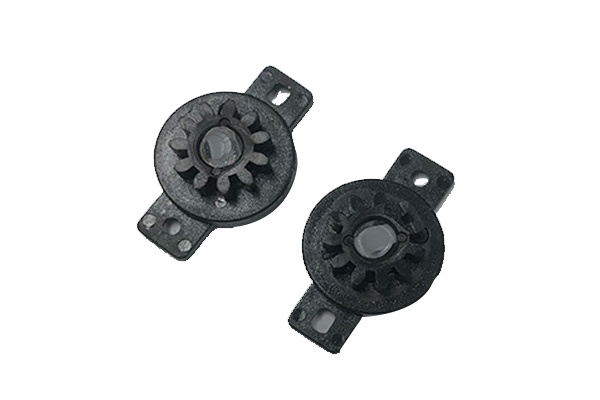
What Are Plastic Rotary Dampers?
Plastic rotary dampers are mechanical devices designed to absorb and dissipate energy generated by moving parts within machinery. They are typically used in applications requiring controlled rotation and braking, ensuring that parts do not move too quickly or abruptly. These dampers can be found in various machinery, including construction equipment, automotive systems, and consumer products.
How Do Plastic Rotary Dampers Work?
The operation of plastic rotary dampers is based on the principles of fluid dynamics and mechanical resistance. As a rotating element moves through a viscous fluid, it creates resistance that slows down the movement. This effect provides the necessary damping, preventing sudden movements that could lead to mechanical failure or safety hazards.
The Key Advantages of Plastic Rotary Dampers
1. Enhanced Durability and Longevity
One of the primary benefits of plastic rotary dampers is their **enhanced durability**. Made from high-quality plastic materials, these dampers withstand harsh environmental conditions and corrosion, ensuring a longer lifespan compared to traditional metal dampers. This durability translates to lower maintenance costs and reduced downtime in engineering applications.
2. Lightweight Design for Improved Efficiency
Plastic rotary dampers are significantly lighter than their metal counterparts. This lightweight nature contributes to overall system efficiency, as it reduces the burden on mechanical components and allows for easier installation. In engineering applications where weight is a critical factor, such as in construction machinery, plastic dampers provide a clear advantage.
3. Cost-Effectiveness
Cost efficiency is a cornerstone of any engineering project. Plastic rotary dampers are often more affordable than metal options, making them a practical choice for engineers looking to optimize their budgets. Additionally, their durability means fewer replacements and repairs, ultimately saving money over time.
4. Noise Reduction
In environments where noise pollution is a concern, plastic rotary dampers excel at minimizing vibrations and sounds. Their design effectively dampens noise, creating a quieter working environment. This feature is particularly beneficial in urban construction projects and applications where noise control is essential.
5. Design Flexibility
Plastic rotary dampers offer significant **design flexibility** due to their customizable properties. Engineers can modify the size, shape, and damping characteristics to suit specific applications, ensuring optimal performance in various scenarios. This adaptability helps in achieving project goals without compromising on performance.
6. Resistance to Harsh Conditions
The engineering and construction sectors often expose components to difficult environmental conditions, such as extreme temperatures and humidity. Plastic rotary dampers are engineered to resist such extremes, ensuring reliable operation regardless of external factors. This resilience is crucial for maintaining safety and efficiency in engineering applications.
7. Easy Integration Into Existing Systems
Integrating plastic rotary dampers into existing machinery and systems is straightforward. Their versatile designs allow them to fit seamlessly into various components, minimizing the need for extensive modifications or redesigns. This ease of integration saves time and resources during project implementation.
8. Environmental Considerations
As industries become increasingly conscious of their environmental impact, plastic rotary dampers offer a sustainable solution. Many modern plastic dampers are produced from recyclable materials, reducing waste and promoting eco-friendly practices in engineering applications. This aligns with global efforts toward sustainability and responsible manufacturing.
Applications of Plastic Rotary Dampers in Engineering
1. Construction Machinery
In the construction industry, plastic rotary dampers play a vital role in equipment such as excavators and cranes. They provide necessary damping and control, ensuring the smooth operation of mechanical parts and enhancing safety protocols. Without these dampers, the risk of mechanical failure increases, potentially leading to accidents.
2. Automotive Engineering
Plastic rotary dampers are also widely used in automotive applications, particularly in systems requiring precise control of moving parts. From door hinges to suspension systems, these dampers contribute to vehicle stability and performance, enhancing the overall driving experience.
3. Consumer Electronics
In the realm of consumer electronics, plastic rotary dampers can be found in devices that require controlled movement, such as cameras and robotic arms. Their ability to provide smooth motion and noise reduction makes them ideal for applications where precision is paramount.
4. Aerospace Engineering
The aerospace sector benefits from the lightweight and durable properties of plastic rotary dampers. They are utilized in various components, from control surfaces to landing gear systems, ensuring that performance standards are met without compromising safety.
5. Machinery Manufacturing
Manufacturers of machinery utilize plastic rotary dampers to enhance the functionality of their products. By integrating these dampers into their designs, manufacturers can offer advanced solutions that improve performance, reduce noise, and extend product lifespan.
Frequently Asked Questions (FAQs)
1. What materials are commonly used in plastic rotary dampers?
Plastic rotary dampers are typically made from high-performance plastics such as polyamide (nylon), polypropylene, or other engineered polymers designed for durability and resistance to environmental factors.
2. How do I choose the right plastic rotary damper for my application?
Selecting the right damper involves considering factors such as load requirements, rotation speed, environmental conditions, and specific damping characteristics needed for optimal performance.
3. Can plastic rotary dampers be customized?
Yes, plastic rotary dampers can be customized in terms of size, shape, and damping properties to fit specific engineering requirements, allowing for tailored solutions in various applications.
4. Are plastic rotary dampers suitable for outdoor use?
Absolutely. Plastic rotary dampers are designed to withstand harsh outdoor conditions, including extreme temperatures and humidity, making them suitable for various engineering applications.
5. What are the maintenance requirements for plastic rotary dampers?
Plastic rotary dampers generally require minimal maintenance due to their durability. Regular inspections for wear and tear are recommended to ensure optimal performance over time.
Conclusion
In conclusion, the adoption of plastic rotary dampers in engineering applications offers numerous benefits that enhance functionality, durability, and efficiency. Their lightweight design, cost-effectiveness, and noise-reducing properties make them an attractive choice for engineers and manufacturers alike. As industries continue to evolve, the integration of these innovative components will play a pivotal role in shaping the future of engineering and construction machinery. Embracing plastic rotary dampers can lead to more sustainable practices and improved project outcomes, ultimately driving success in various engineering endeavors.
Prev
Related News
Structural dampers explained: types, uses, and how to choose the right one
A complete 2026 guide to structural dampers: compare all major types, review U.S. code compliance (ASCE 7-22, IBC 2021), explore real project case studies, and get a clear decision framework for selecting the right damper for your building.
Squeeze film dampers explained: how they work, types, and selection guide
A comprehensive 2026 guide to squeeze film dampers: working principles, configuration types, oil viscosity selection, failure modes, API compliance, and emerging active damper trends for aerospace and industrial turbomachinery engineers.
Spring dampers explained: how to choose the right type for your application
A complete 2026 guide to spring dampers: technical comparison tables for Bilstein, KYB, Monroe and Sachs, failure diagnosis tips, installation costs, and application-specific selection advice for US drivers and engineers.
Silicone dampers for car doors: how to choose and install the right buffer pads
Discover how silicone dampers for car doors reduce noise, protect your vehicle, and outlast rubber alternatives. Compare materials, find vehicle-specific fitment guides, and follow our step-by-step installation tutorial for 2026.
Shock absorbers vs dampers: how to choose the right one for your vehicle
Confused about shock absorbers vs dampers? This 2026 guide covers symptom-based diagnostics, brand comparisons (Bilstein, KYB, Monroe), towing-specific selection, electronic dampers, and real cost breakdowns to help you choose the right ride control components.
Metallic dampers guide: how to choose and install the right type for your system
A complete 2026 guide to metallic dampers: compare BRB, ADAS, TADAS, and lead extrusion types by performance, cost, and US code compliance. Includes installation steps, real project case studies, and a North America buyer's guide for structural engineers and procurement teams.
Message
Professional service team answers
Contact Us
Contact: Miss Peng
Phone: +86 13537499713
Tel: +86 0769-87769161
Fax: +86 0769-87681161
Email: sales@longji-lf.com, zxm@longji-lf.com
Address: Room 201, Building 2,and Room 301, Building 4, No. 7 Jinming North Road, Xiegang Town, Dongguan City,

Scan consultation