

Damper: Damper should pay attention to the problem
Release time:
2020-07-20 10:07
Source:
Damper concerns. If it is damaged, it can only be discarded. For this question, the answer is:
Case 1: The quality of the shock absorber itself is not enough, the piston rod is rough, or the sealing quality is poor.
Case 2: There are pits, grooves or burrs on the piston rod, causing damage to the seal.
Case 3: The upper part of the piston rod is painted or glued.
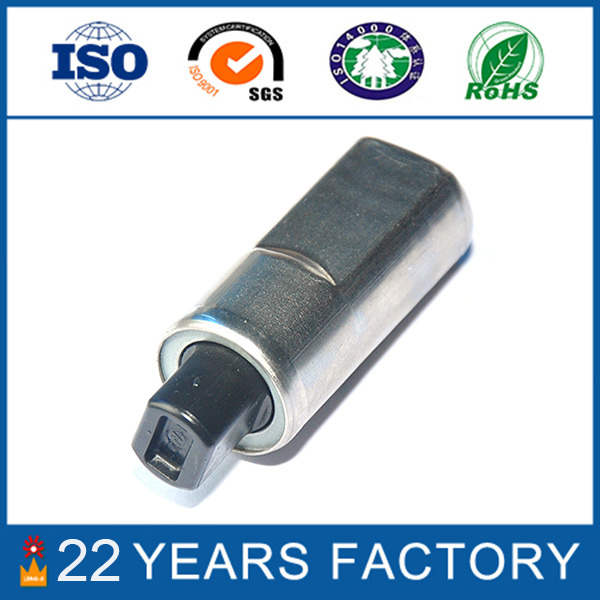
On the damper, it also has some precautions, mainly including:
1. The piston rod of the shock absorber must be installed downward, Can not be inverted, which can reduce friction and ensure good shock absorption quality and cushioning performance.
2. Damper is a high-pressure product, and it is strictly forbidden to analyze, bake or knock.
3. During operation, the shock absorber should not be subjected to tilt force or lateral force. It shall not be used as a handrail.
4. Determining the installation position of the fulcrum is the guarantee of whether the damper can work normally. The damper must be installed in the correct way, that is, when it is closed, let it move through the center line of the structure, otherwise, the damper will usually open the door automatically.
5 . In order to ensure the reliability of the seal, the surface of the piston rod must not be damaged. It is strictly forbidden to apply paint and chemicals on the piston rod. It is also not allowed to install the damper in the required position before spraying or painting.
6. Working environment temperature: negative 35 ℃- 70 ℃. (80 ℃ special manufacturing )
7. It is forbidden to turn the shock absorber piston rod to the left. If you need to adjust the direction of the connector, you can only turn it to the right.
8. When installing the connection point, it should be rotated flexibly and not stuck.
9. The size should be reasonable and the force should be appropriate. The stroke size of the piston rod should have a margin of 8 mm .
Related News
Structural dampers explained: types, uses, and how to choose the right one
A complete 2026 guide to structural dampers: compare all major types, review U.S. code compliance (ASCE 7-22, IBC 2021), explore real project case studies, and get a clear decision framework for selecting the right damper for your building.
Squeeze film dampers explained: how they work, types, and selection guide
A comprehensive 2026 guide to squeeze film dampers: working principles, configuration types, oil viscosity selection, failure modes, API compliance, and emerging active damper trends for aerospace and industrial turbomachinery engineers.
Spring dampers explained: how to choose the right type for your application
A complete 2026 guide to spring dampers: technical comparison tables for Bilstein, KYB, Monroe and Sachs, failure diagnosis tips, installation costs, and application-specific selection advice for US drivers and engineers.
Silicone dampers for car doors: how to choose and install the right buffer pads
Discover how silicone dampers for car doors reduce noise, protect your vehicle, and outlast rubber alternatives. Compare materials, find vehicle-specific fitment guides, and follow our step-by-step installation tutorial for 2026.
Shock absorbers vs dampers: how to choose the right one for your vehicle
Confused about shock absorbers vs dampers? This 2026 guide covers symptom-based diagnostics, brand comparisons (Bilstein, KYB, Monroe), towing-specific selection, electronic dampers, and real cost breakdowns to help you choose the right ride control components.
Metallic dampers guide: how to choose and install the right type for your system
A complete 2026 guide to metallic dampers: compare BRB, ADAS, TADAS, and lead extrusion types by performance, cost, and US code compliance. Includes installation steps, real project case studies, and a North America buyer's guide for structural engineers and procurement teams.
Message
Professional service team answers
Contact Us
Contact: Miss Peng
Phone: +86 13537499713
Tel: +86 0769-87769161
Fax: +86 0769-87681161
Email: sales@longji-lf.com, zxm@longji-lf.com
Address: Room 201, Building 2,and Room 301, Building 4, No. 7 Jinming North Road, Xiegang Town, Dongguan City,

Scan consultation